
How to check for leaks in your pool in Newark
Discover effective methods to check for leaks in your pool in Newark, OH, ensuring your pool remains safe and enjoyable all season long.
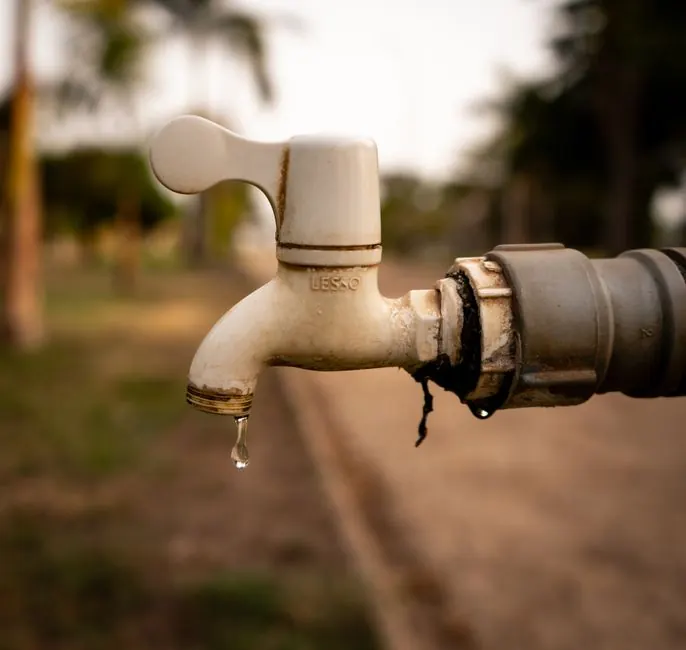
Checking for leaks in your pool in Newark is essential to maintain its health and longevity. You can identify leaks through simple observations and tests that can save you money and hassle in the long run. This guide will cover effective methods to check for leaks, signs to watch for, and when to consider professional help.
Pool leak detection is the process of identifying and locating leaks in swimming pools, which can lead to significant water loss and damage if not addressed promptly. In Newark, where the climate can vary, ensuring your pool is leak-free can help maintain water levels and reduce unnecessary costs.
How can I check for leaks in my pool in Newark?
To check for leaks in your pool in Newark, start with a simple visual inspection. Look for cracks in the pool surface, wet spots around the pool area, or water accumulating in unwanted places. You can also perform the bucket test: fill a bucket with water and place it on a step in your pool. Mark the water level inside the bucket and the water level outside. If the pool water level drops more than the water level in the bucket over 24 hours, you likely have a leak.
Signs of a pool leak in Newark
Identifying the signs of a pool leak in Newark is crucial for early detection and repair. Common signs include:
- Increased water bills due to excessive water loss.
- Visible cracks or gaps in the pool structure.
- Wet spots or puddles around the pool area.
- Unexplained drops in water level.
- Changes in water chemistry that require frequent adjustments.
If you notice any of these signs, it's essential to investigate further to prevent more significant issues.
Pool leak detection tips Newark
When checking for leaks, consider these pool leak detection tips specific to Newark:
- Inspect the equipment: Check all pool equipment, including pumps, filters, and heaters, for signs of wear or leaks.
- Monitor water levels: Regularly track your pool's water level to detect any unusual drops.
- Check the skimmer: Ensure the skimmer is not cracked or damaged, as this can lead to leaks.
- Look for tile damage: Inspect pool tiles for cracks or missing grout, which can indicate leaks.
- Use dye testing: Add dye near suspected leak areas; if the dye is drawn in, you likely have a leak.
These tips can help you proactively monitor your pool's condition and catch leaks early.
Common mistakes to avoid
Many homeowners make mistakes when checking for leaks, which can lead to further complications. Here are some common pitfalls:
- Neglecting regular inspections, which can allow small leaks to become major problems.
- Relying solely on visual inspections without performing tests like the bucket test.
- Ignoring signs of water loss, thinking they are normal evaporation.
- Not considering seasonal changes that can affect water levels.
Avoiding these mistakes can save you time and money in the long run.
When to call a professional
If you suspect a leak and cannot locate it, it's time to call for professional help. Newark Leak Detection offers expert services for pool leak detection and can quickly identify and repair leaks. Professionals use advanced techniques like acoustic and thermal imaging to find leaks that may not be visible to the naked eye.
Frequently Asked Questions
What are the signs of a pool leak in Newark? Common signs include increased water bills, visible cracks, wet spots around the pool, and unexplained drops in water level.
How can I check for leaks in my pool in Newark? You can perform a visual inspection, conduct a bucket test, and check equipment and skimmers for damage.
What should I do if I suspect a pool leak in Newark? Investigate by checking for signs and performing tests. If you cannot locate the leak, contact a professional.
How much does pool leak detection cost in Newark? Typical pricing for pool leak detection services in Newark ranges from $200 to $500, depending on the complexity of the issue.
Can I fix a pool leak myself? Minor leaks can sometimes be repaired with DIY methods, but complex leaks often require professional expertise.